
Before getting started with any of our videos and exercises, we recommend you find a USFSA and PSA skating and off-ice coach to get started with!
More information to come!
Lately, competitive figure skating has become a race of who can jump the most complicated jumps. With this in mind, a program was developed to help figure skaters prepare off-ice to achieve their goals. Icemarx is using this program to introduce a method of off-ice training that can help skaters to engage in a more extensive off-ice routine, to compliment their on-ice training. The goal of this method is to help skaters challenge themselves, while minimizing the chances of injury.
With this in mind, Icemarx is thrilled to present a video library of the 6 figure skating jumps demonstrated off-ice, along with detailed instruction. Become a member to find out more!
What We Do:
(c) 2020 “Stand” by Redafs.com, Licensed under Creative Commons: By Attribution 3.0 License Rhapsody No. 2 in G Minor – Brahms (6:25) Nico De Napoli (c) http://www.freemusicpublicdomain.com
Because skating already puts so much stress on the body, training off-ice should be done in a way that minimizes injury. How can you do this? Well, let’s discuss equipment. In addition to strength and proper technique, having the right equipment can also help to decrease the chances of injury.
Footwear: Many skaters wear regular sneakers, however, those types of shoes are mainly suitable for practicing air-turns and axel-type jumps off-ice. The reasoning behind this is the way that the shoes grip the ground, making it very easy to twist/sprain an ankle. For the off-ice exercises demonstrated on this website, a lot of twisting and turning is required. That is why it is highly recommended to use a dance shoe. These dance shoes are made of leather, flexible, and have a smooth bottom. An extra insole can be added for more comfort and protection as desired. To purchase these shoes visit blochworld.com !

Flooring:
The recommended floor surface to go along with our exercises can be found at Greatmats.com under the martial arts flooring section. This floor is smooth, allowing twisting and turning motions without as much risk of spraining an ankle.
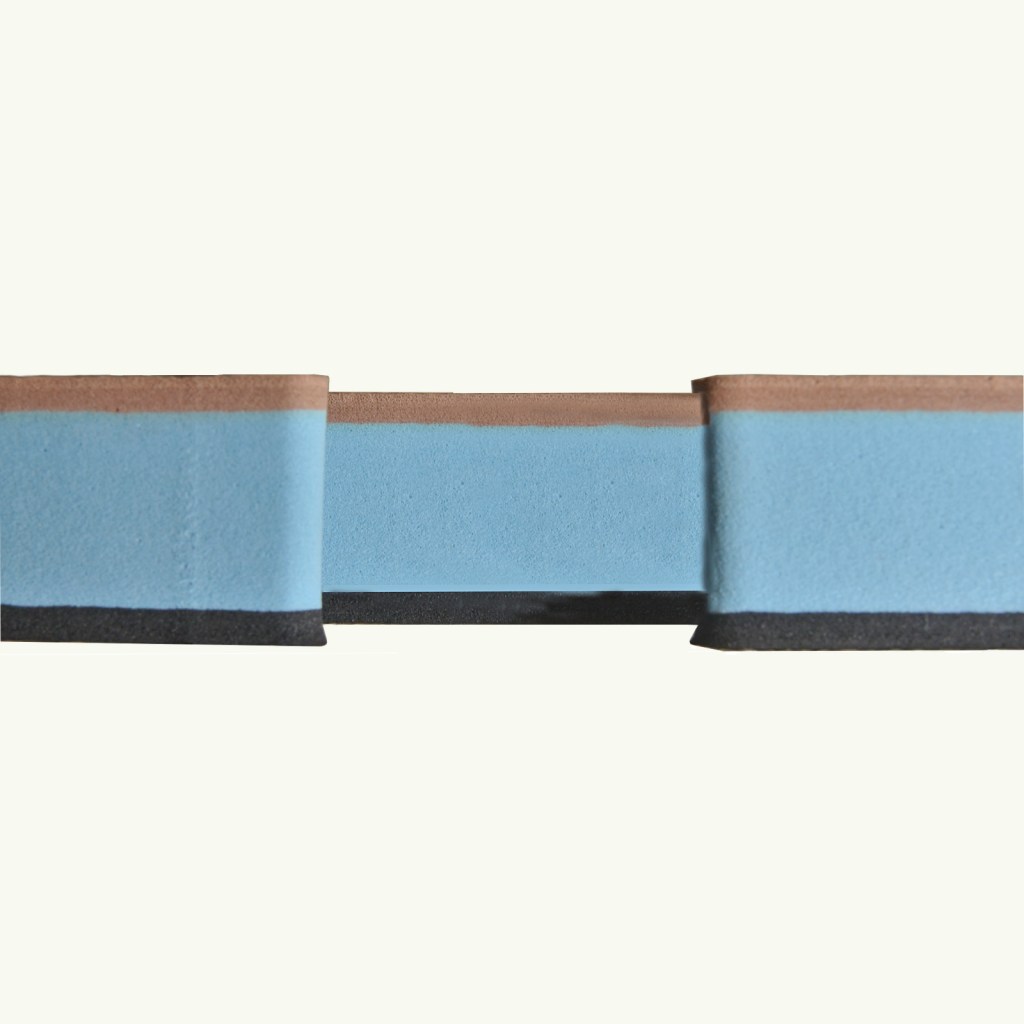
For multiple karate jumps and kicks, they recommended their “Martial Arts Karate Mat Premium 1 Inch” 3.3 foot by 3.3 foot, interlocking, high density PE (Polyethelyne) and EVA (Ethylene-vinyl Acetate) foam, a material similar to the one used in sneaker and sports equipment cushioning.
There are many varieties and types of foam floors to purchase online, but Greatmats.com has specifications to the strength of the shock absorbency and depth of the mat. They recommend a one inch thick martial arts mat for practice that spends a long time on one’s feet, where large amounts of jumping and quick sliding motion with the feet are involved. The mats are of PE and EVA foam, both known for large amounts of shock absorbency, durability and resistance to mold, and liquids. They are also classified as Shore C density 50, a very high level of firmness and support. Click on their specifications page to find out more…
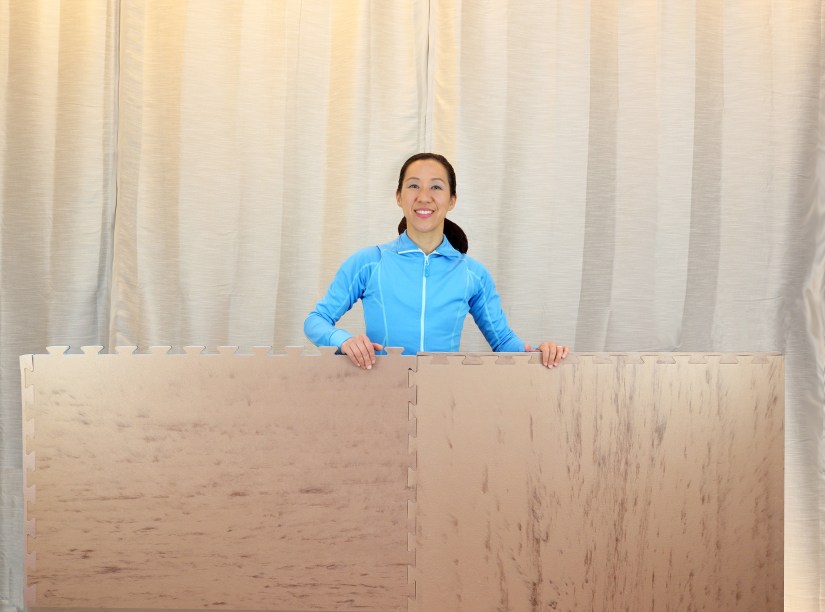
Once you have purchased your set of interlocking tiles it is highly recommended to buy at least nine or more tiles. This will ensure stability of placement on the floor based upon the weight of the tiles as a unit. If possible, place your tiles flush against nearby walls for support, and if necessary, use a heavy duty duct tape to secure the sides of the mat into the floor so there will be less slipping and sliding when jumping and moving on top of them. More specific installation instructions and videos can be found here. Most of all, have fun!

The Merriam Webster definition of “gymnastics” is “physical exercises designed to develop strength and coordination”
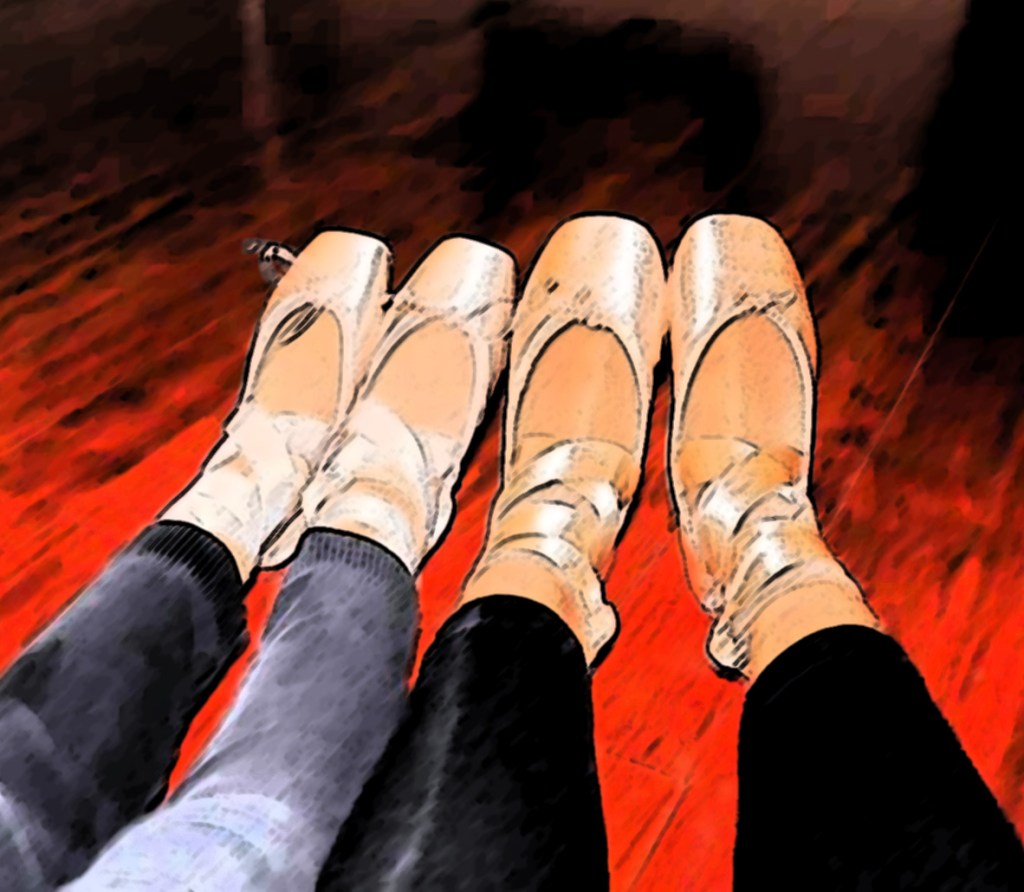
Icemarx wants to help create “skater gymnasts” off-ice with ballet technique into the various skating jumps so that skaters can work with their coaches to achieve jump progress and reduce injury. Ballet is a great part of developing coordination, mental and physical strength and flexibility with balance.
He was one of the first figure skaters to bring ballet into the earlier forms of skating, as it was developing. His style of artistry and innovative movement led to the creation by his students — of one of the first and oldest sports associations still in existence, the International Skating Union.

Once compulsory figures disappeared from the sport, a lot of the technical aspect of maintaining daily balance through the hardest moves of figure skating disappeared.
Almost as a replacement for the practice of ballet, compulsory figures become the early dominant form of figure skating until it’s gradual phasing out, starting from 1947-1990. Many Olympic Champions and medalists were required to compete in compulsory figures such as the early freestyle pioneer and 1972 Olympic medalist Janet Lynn, and 1984 Olympic Champion Scott Hamilton. Their disappearance along with the excellence America used to bring to the sport is commented on here, ” ‘Personally, I’m sorry to see the figures go. That diminishes the technical quality of skating,’ said David Michaels, the Agoura-based producer of NBC’s coverage. ‘We’ll be doing a feature on what would have happened over the past 60 years had there not not been figures: (1984 Olympic champion) Scott Hamilton would have lost to Brian Orser. At the 1988 Olympics, (silver medalist) Liz Manley would have beaten (two-time champion) Katarina Witt.’

Icemarx as a team now seeks to deliver a new system of off-ice jump training in a series of videos that will teach step-by-step how they approach each of the 6 different types of figure skating jumps.
Check out our Ballet Visionaries section to find out why we love ballet so much!
 Icemarx