
Because skating already puts so much stress on the body, training off-ice should be done in a way that minimizes injury. How can you do this? Well, let’s discuss equipment. In addition to strength and proper technique, having the right equipment can also help to decrease the chances of injury.
Footwear: Many skaters wear regular sneakers, however, those types of shoes are mainly suitable for practicing air-turns and axel-type jumps off-ice. The reasoning behind this is the way that the shoes grip the ground, making it very easy to twist/sprain an ankle. For the off-ice exercises demonstrated on this website, a lot of twisting and turning is required. That is why it is highly recommended to use a dance shoe. These dance shoes are made of leather, flexible, and have a smooth bottom. An extra insole can be added for more comfort and protection as desired. To purchase these shoes visit blochworld.com !

Flooring:
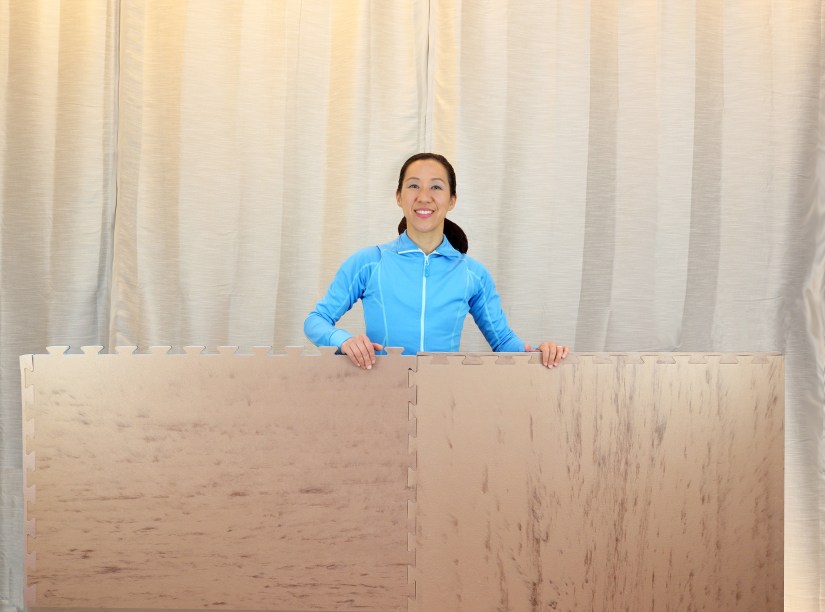
The recommended floor surface to go along with our exercises can be found at Greatmats.com under the martial arts flooring section. This floor is smooth, allowing twisting and turning motions without as much risk of spraining an ankle.
For multiple karate jumps and kicks, they recommended their “Martial Arts Karate Mat Premium 1 Inch” 3.3 foot by 3.3 foot, interlocking, high density PE (Polyethelyne) and EVA (Ethylene-vinyl Acetate) foam, a material similar to the one used in sneaker and sports equipment cushioning.
There are many varieties and types of foam floors to purchase online, but Greatmats.com has specifications to the strength of the shock absorbency and depth of the mat. They recommend a one inch thick martial arts mat for practice that spends a long time on one’s feet, where large amounts of jumping and quick sliding motion with the feet are involved. The mats are of PE and EVA foam, both known for large amounts of shock absorbency, durability and resistance to mold, and liquids. They are also classified as Shore C density 50, a very high level of firmness and support. Click on their specifications page to find out more…
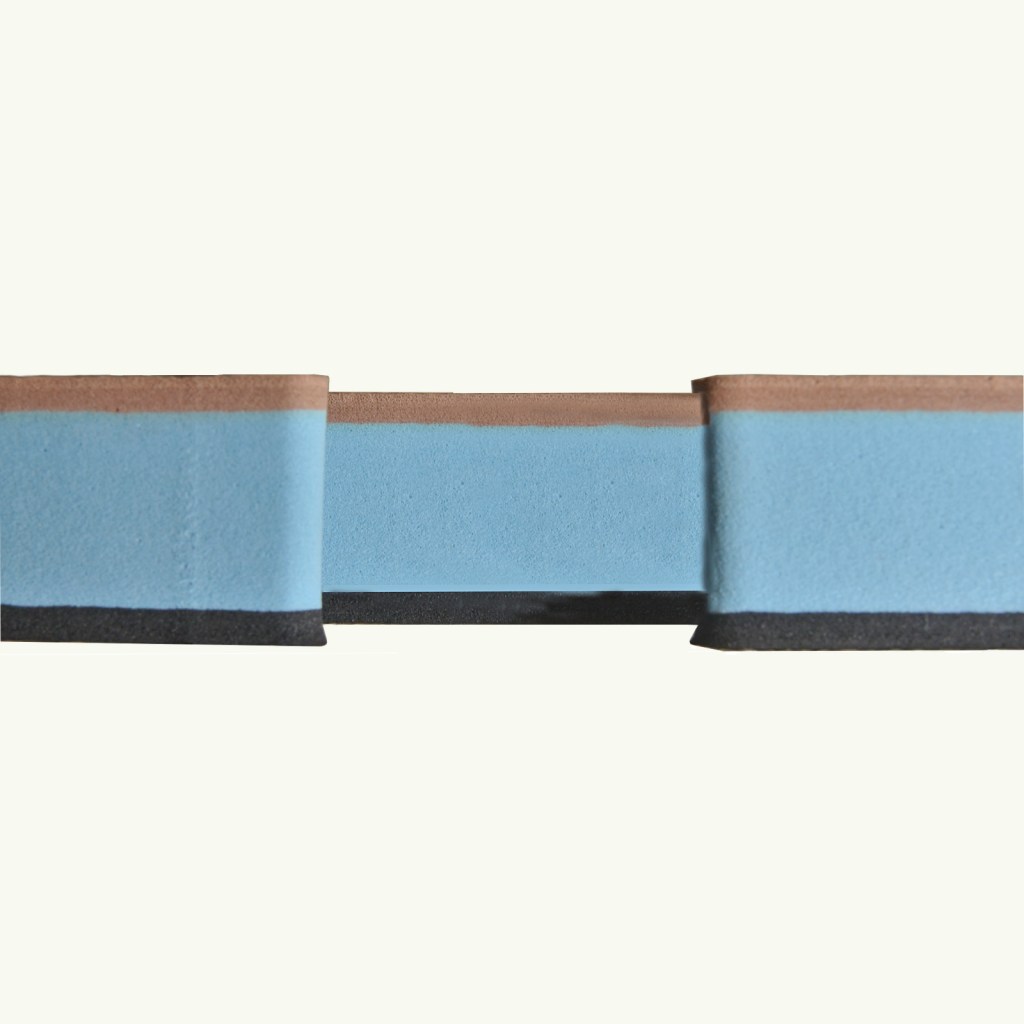
shock absorbing foam
Once you have purchased your set of interlocking tiles it is highly recommended to buy at least nine or more tiles. This will ensure stability of placement on the floor based upon the weight of the tiles as a unit. If possible, place your tiles flush against nearby walls for support, and if necessary, use a heavy duty duct tape to secure the sides of the mat into the floor so there will be less slipping and sliding when jumping and moving on top of them. More specific installation instructions and videos can be found here. Most of all, have fun!

 Icemarx